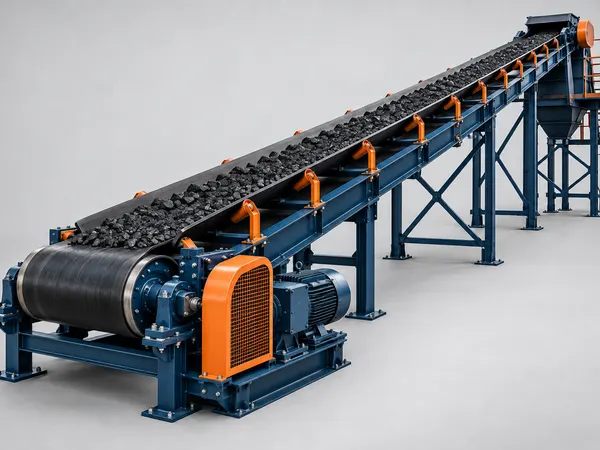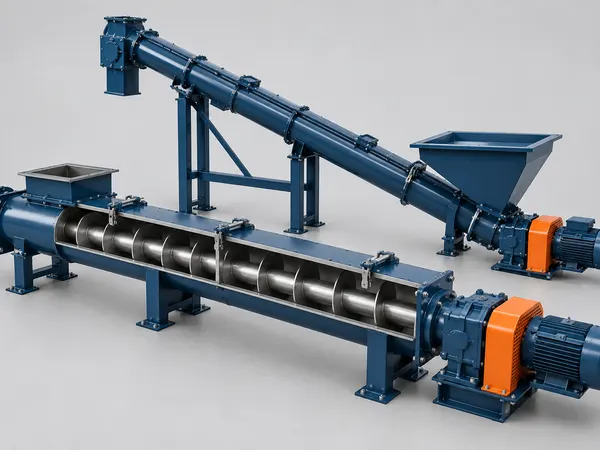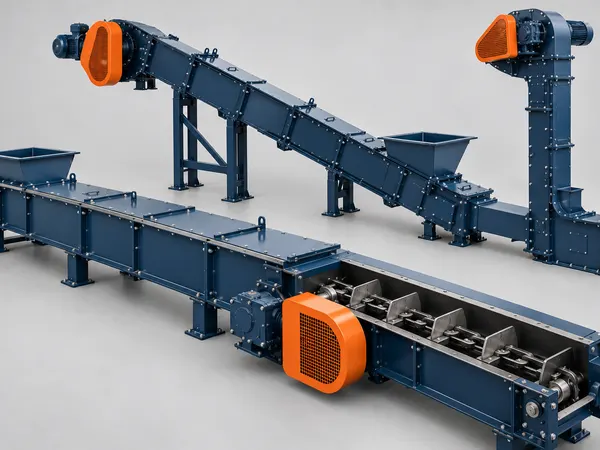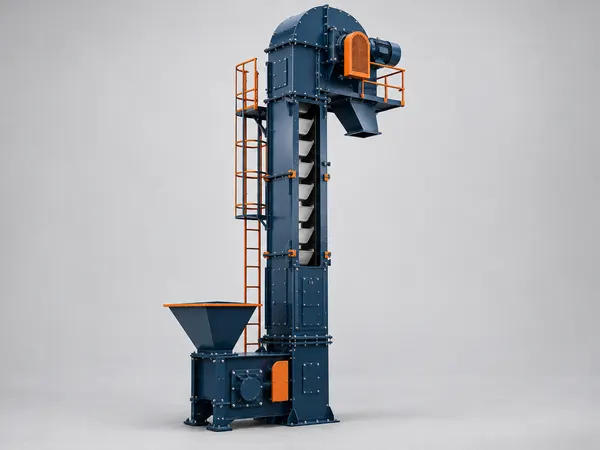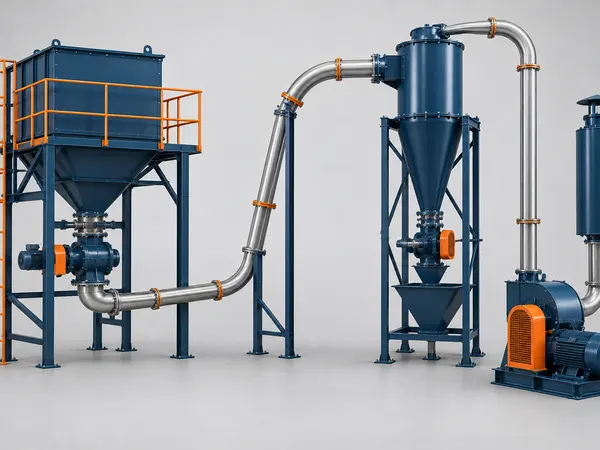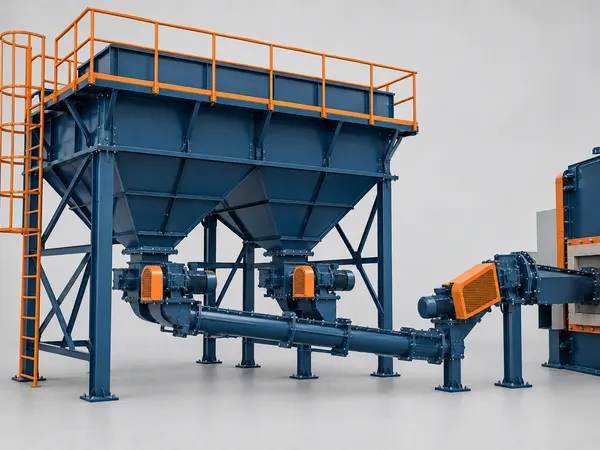
Images are representative illustrations. Products are custom-engineered to your requirement and actual appearance may vary.
Coal Crusher
We engineer and supply Coal Crusher as part of complete industrial heating and utility solutions. Share your capacity, fuel type, application, and site details — our team will recommend a suitable configuration and quote.
Buy Coal Crusher
Built to order and quoted against your duty, so there is no list price. Tell us the capacity, fuel and application by phone or email — we reply within 24 hours.
About Coal Crusher
A coal crusher reduces run-of-mine or received coal to the size the boiler is designed to burn. Grate-fired boilers need coal broken to a consistent lump size so that it burns evenly across the grate; fluidized bed boilers need it crushed much finer and to a controlled size range, because the bed only fluidizes and burns properly when the particles are within it.
The crushing method is chosen against the coal and the size wanted. Hammer crushers break coal with swinging hammers on a fast rotor and suit most medium-hardness coals. Ring granulators use rings instead of hammers and produce a more uniform product with fewer fines, which is why they are common in coal handling for boilers. Double roll crushers squeeze coal between two rolls for a closely controlled size with little fines generation.
What reaches the crusher matters as much as the crusher. A magnetic separator ahead of it removes tramp iron that would damage the rotor; a screen ahead of it bypasses coal that is already in size; and wet, sticky coal needs a crusher and chutes designed not to choke. Dust has to be contained at the crusher, which is the dustiest point in a coal handling system.
We supply coal crushers as part of complete coal handling systems, selected for the coal's hardness, moisture and the size the boiler needs, together with the screens, magnetic separators and conveyors around them.
Selection starts with three numbers: the largest lump the crusher will be asked to accept, the product size the boiler needs, and the tonnes per hour. The ratio between the first two decides whether one stage of crushing will do or whether a primary and a secondary stage are needed, since asking a single machine for a very large reduction produces heat, wear and a great deal of fines. Coal hardness — reported as the Hardgrove Grindability Index — tells us how hard the coal resists that reduction, and it is worth asking the supplier for it.
Moisture is the other half of the problem. Wet, clayey coal packs into the crushing chamber and the chutes around it, and a crusher that chokes stops the entire fuel path behind it. That is designed around with generous chute angles, liners that material does not key to, a larger discharge setting where the boiler can tolerate it, and access to clear a blockage quickly and safely rather than with a bar through an inspection door.
A crusher is also a machine with a heavy rotor turning fast, so the mechanical installation matters as much as the crushing. The rotor is balanced, and wear parts are renewed in matched sets so it stays balanced; the machine sits on a foundation designed to take the vibration rather than pass it into the building; and the drive is arranged so that hammers or rings can be changed without dismantling the surrounding plant. The crusher house is the dustiest point in coal handling, so it is enclosed and extracted rather than simply roofed.
Typical duty is sizing received coal for grate-fired boilers and crushing to the finer, controlled size an AFBC bed needs, along with lignite, petcoke and limestone for in-bed sulfur capture. We supply crushers within complete coal handling systems and as replacements in existing crusher houses, with the screens, magnetic separators and conveyors around them, plus erection, commissioning, wear parts and an AMC where the plant wants one.
Coal Crusher Key Features
- Hammer, ring granulator and double roll crushers
- Output size matched to grate or fluidized bed firing
- Screen ahead of the crusher to bypass in-size coal
- Magnetic separator provision to remove tramp iron
- Adjustable product size
- Wear-resistant hammers, rings and liners
- Chutes designed for wet, sticky coal
- Dust enclosure at the crusher house
- Feed and product size, tonnage and coal hardness taken as the selection basis
- Single or two-stage crushing according to the reduction required
- Generous chute angles and non-keying liners for wet, clayey coal
- Balanced rotor with wear parts renewed in matched sets
- Foundation and mounting designed to contain vibration
- Maintenance access for changing hammers, rings and liners
- Dust extraction at the crusher house, not merely a roof
Coal Crusher Specification
Materials Handled
Crushing Technology
Swinging hammers on a fast rotor break coal against breaker plates — a versatile choice for most medium-hardness coals.
Rings in place of hammers crush with a rolling action, giving a more uniform product with fewer fines.
Coal is squeezed between two counter-rotating rolls for a closely controlled size and little fines generation.
Two stages where the reduction is too large for one — a primary breaks the received lump, a secondary brings it to the boiler’s size with fewer fines.
Rotor direction is reversed periodically so hammers wear evenly on both faces, extending the interval between changes.
Coal Crusher Applications
Industries Served
Advantages of a Coal Crusher
Output size is matched to grate or fluidized bed firing, so the coal burns as the boiler was designed.
Crusher type and a screen ahead of it limit the fines that burn poorly or blow out unburnt.
Magnetic separation ahead of the crusher removes tramp iron before it causes damage.
Supplied with the screens, separators and conveyors around it, so capacities match.
Received lump size, product size, tonnage and coal hardness decide the machine, rather than a catalog rating taken at face value.
Chute angles, liner choice and discharge setting are arranged so monsoon coal passes through instead of packing the chamber.
Hammers, rings and liners are reachable and changed in matched sets, so the rotor stays balanced and the shutdown stays short.
Optional Accessories
Frequently Asked Questions(10)
Why does coal need crushing before it goes into a boiler?
Which is better: a hammer crusher or a ring granulator?
What coal size does an AFBC boiler need?
How is a coal crusher protected from damage?
What do you need to select a crusher for our plant?
Why does the crusher choke in the monsoon?
How do we reduce the fines the crusher makes?
Can you replace a crusher in our existing crusher house?
What wear parts should be kept in stock?
Can you supply the complete coal handling plant around the crusher?
- Capacity / size requirements
- Process or application details
- Material preference (M.S / S.S where applicable)
- Installation location & delivery timeline
Share your capacity, fuel type, and application — we respond within 24 hours.
After it is installed
Equipment is the start of the relationship, not the end of it. We work from Indore, Madhya Pradesh, for plants across India, and handle installation and commissioning, boiler AMC, retrofits, plant audits, spare parts and operator training — on equipment from any manufacturer, not only our own.
Related products
View more