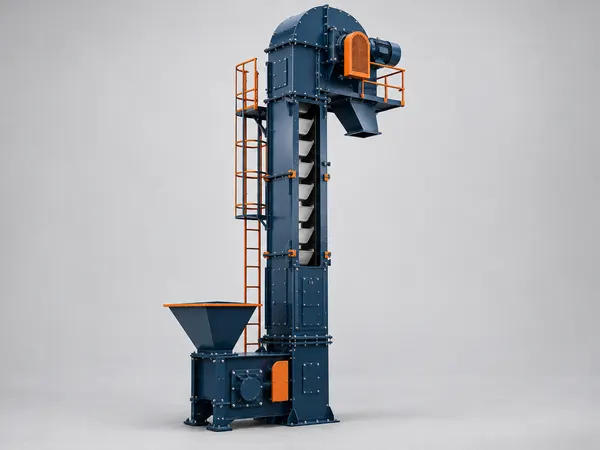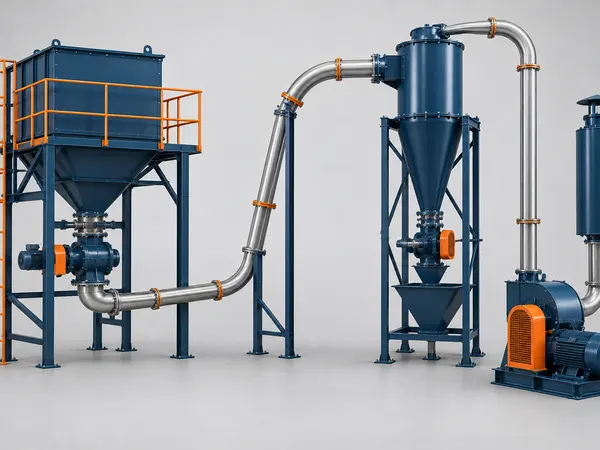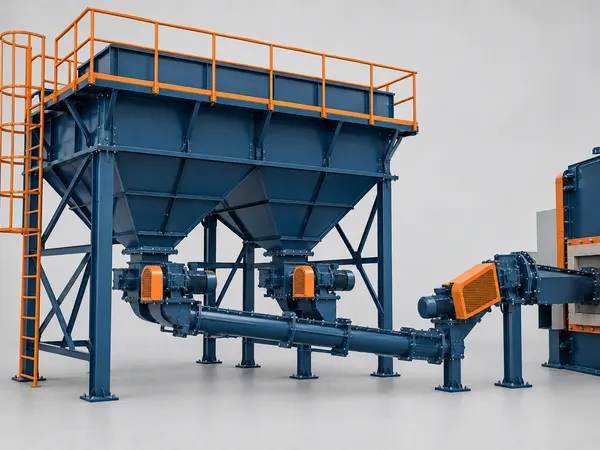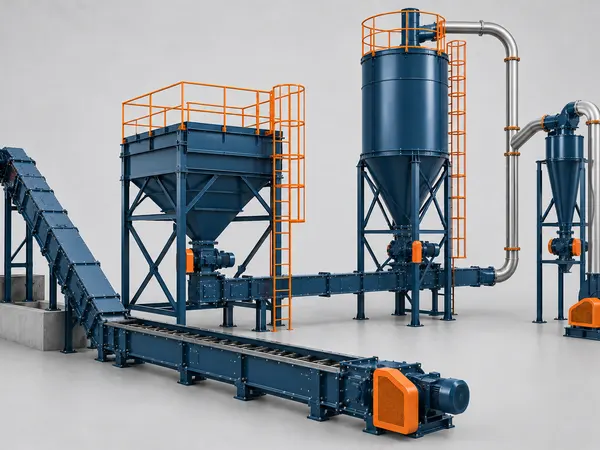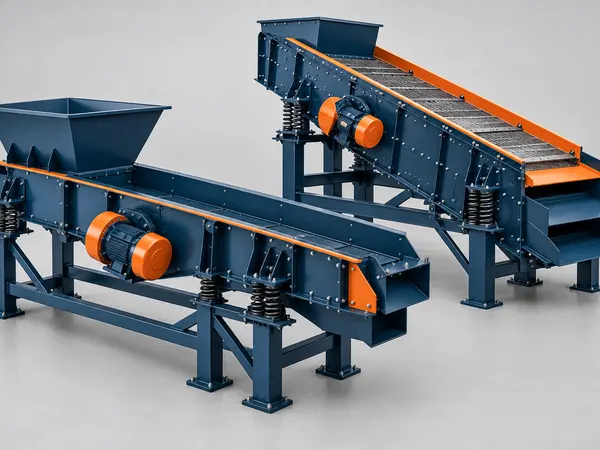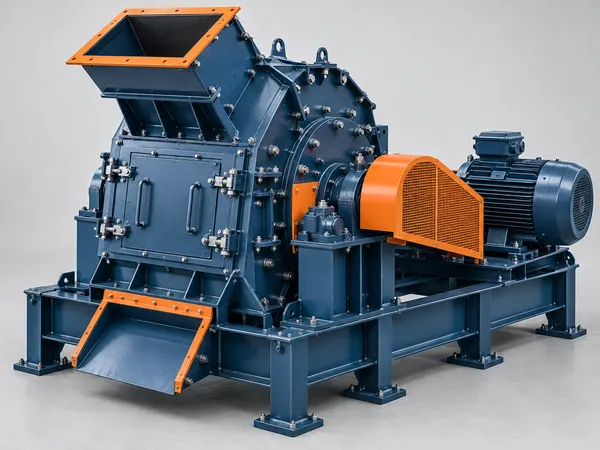
Images are representative illustrations. Products are custom-engineered to your requirement and actual appearance may vary.
Chain & Drag Chain Conveyor
We engineer and supply Chain & Drag Chain Conveyor as part of complete industrial heating and utility solutions. Share your capacity, fuel type, application, and site details — our team will recommend a suitable configuration and quote.
Buy Chain & Drag Chain Conveyor
Built to order and quoted against your duty, so there is no list price. Tell us the capacity, fuel and application by phone or email — we reply within 24 hours.
About Chain & Drag Chain Conveyor
A chain conveyor drags material along an enclosed casing with flights fixed to one or two strands of chain. In a drag chain, or en-masse, conveyor the flights pull a continuous bed of material, which moves as a solid mass rather than being thrown or carried — gentle on the fuel, and able to handle material that is hot, abrasive, lumpy or sticky.
That robustness is why chain conveyors turn up where other conveyors struggle: carrying wood chips and bark with oversize pieces, distributing fuel along a row of bunkers through several discharge gates, or removing hot ash from under a boiler. The casing is enclosed, so dust is contained, and the conveyor can run horizontally, inclined, or in an L-shape.
A submerged chain conveyor is a special case. It runs in a water-filled trough under the furnace, quenching hot bottom ash and clinker as it falls and dragging the cooled ash up an incline to be discharged, with the water forming a seal against air leaking into the furnace.
We design and fabricate chain and drag chain conveyors for fuel distribution and ash removal, with chain, sprocket and casing materials chosen against the temperature and abrasiveness of the duty.
Capacity comes from the cross-section of the casing and the speed of the chain, and the speed is deliberately kept low. A drag chain earns its living by running slowly through a full casing rather than quickly through an empty one: slow chain means less wear on the flights, sprockets and liners, less degradation of the fuel, and a machine that can be left running for years between overhauls. A chain conveyor pushed for speed wears out in a fraction of that time.
Temperature decides the materials. Ash leaving a grate or a bed is hot enough to draw the temper out of an ordinary chain, so hot duty calls for heat-resisting chain and flights, casing liners that can be renewed, and allowance for the casing to expand. Abrasion decides the rest: biomass and husk ash are fine and sharp, and they wear the casing floor rather than the chain, which is why the floor is lined where the material slides.
Where one conveyor feeds a row of bunkers, the discharge gates are the part that has to be got right. Each gate has to seal when shut, open without jamming under a full casing, and be operable from a place an operator can safely reach — manually, or by actuator from the control system where the bunkers are filled in sequence.
Typical duty is chip and bark handling in a board or paper plant, fuel distribution along a bunker row in a captive power house, and bottom ash removal under grate and fluidized bed boilers. We supply chain conveyors as part of a new boiler package, as an ash handling retrofit, and as replacements for worn units — with erection, commissioning, wear spares and an AMC where the plant wants one.
Chain & Drag Chain Conveyor Key Features
- Enclosed casing that contains dust and fumes
- Drag chain (en-masse) conveying for gentle, full-bed movement
- Handles hot, abrasive, lumpy and oversize material
- Multiple intermediate discharge gates for bunker distribution
- Horizontal, inclined and L-shaped layouts
- Submerged version for wet bottom ash and clinker
- Replaceable wear liners in high-wear sections
- Chain and sprockets selected for temperature and abrasion
- Low chain speed for long wear life and minimal fuel degradation
- Heat-resisting chain and flights for hot ash duty
- Bolt-in casing floor liners renewable without replacing the casing
- Manual or actuated discharge gates that seal when shut
- Chain tension take-up at the tail end
- Casing expansion allowance on hot runs
- Shear pin or torque limiter to protect the drive on a jam
Chain & Drag Chain Conveyor Specification
Materials Handled
Chain Conveyor Types
Flights pull a continuous bed of material through an enclosed casing, moving it as a solid mass with little degradation.
Scraper flights push material along an open or covered trough, suited to heavy, lumpy fuel and ash.
Runs in a water-filled trough under the furnace, quenching hot ash and forming a water seal, then dewatering it up an incline.
Flights carried between two chains rather than one — the arrangement for wider casings and heavier loads, with the load shared across both strands.
A slow drag chain running under a row of dust collector or economizer hoppers, collecting fly ash from all of them into one discharge.
Chain & Drag Chain Conveyor Applications
Industries Served
Advantages of a Chain & Drag Chain Conveyor
Hot, abrasive, lumpy and oversize fuel and ash that would damage a belt are moved without trouble.
The casing contains dust and fumes along the whole route.
Gates along the casing feed a row of bunkers from one conveyor.
The submerged version cools hot ash and seals the furnace in one machine.
Running slowly through a full casing is what gives a drag chain its working life — and keeps briquettes and pellets from being broken up in transit.
An enclosed casing can turn through an L or run at an incline where a belt would need a long, shallow approach and a transfer tower.
Chain, flights and bolt-in floor liners are designed to be replaced in place, so an overhaul does not mean a new conveyor.
Optional Accessories
Frequently Asked Questions(10)
What is a drag chain conveyor?
When is a chain conveyor better than a belt conveyor?
What is a submerged chain conveyor?
How is chain wear controlled?
Can one chain conveyor feed several bunkers?
How hot can the material be?
What happens if the conveyor jams?
Can you replace an existing worn scraper or drag conveyor?
What spares should be kept?
Do you install and commission the conveyor yourselves?
- Capacity / size requirements
- Process or application details
- Material preference (M.S / S.S where applicable)
- Installation location & delivery timeline
Share your capacity, fuel type, and application — we respond within 24 hours.
After it is installed
Equipment is the start of the relationship, not the end of it. We work from Indore, Madhya Pradesh, for plants across India, and handle installation and commissioning, boiler AMC, retrofits, plant audits, spare parts and operator training — on equipment from any manufacturer, not only our own.
Related products
View more