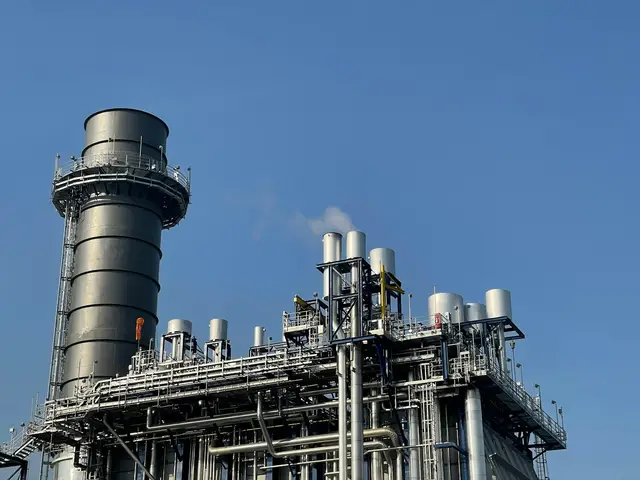
IBR/NIBR steam boilers for industrial process heating — solid fuel, biomass, oil & gas fired, and high-pressure power boiler configurations.
Product Range
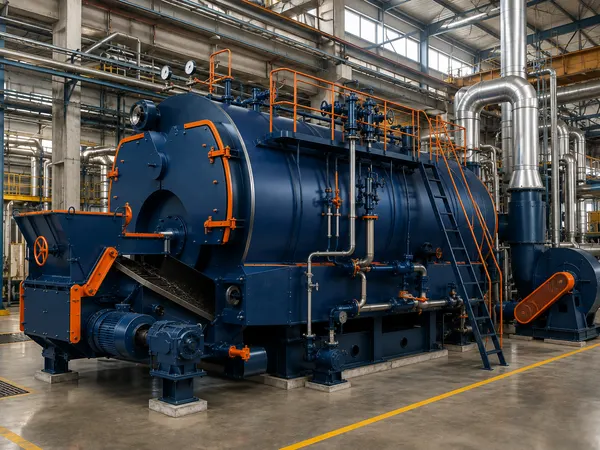
Coal Fired Boiler
Coal fired boiler supplier for industrial process steam — Indian and imported coal, 0.5 TPH to 25 TPH, IBR/NIBR, fixed, travelling and reciprocating grate options.
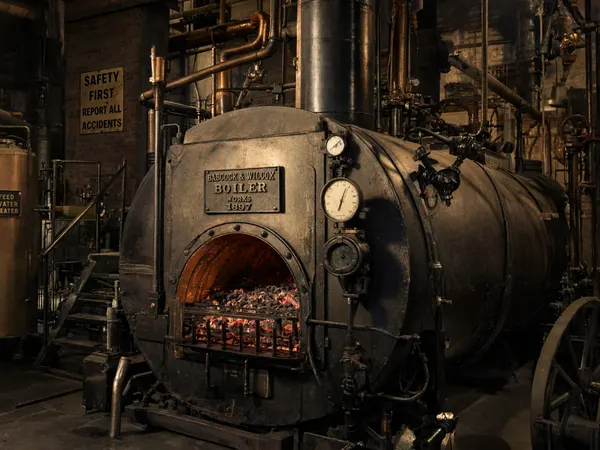
Wood Fired Boiler
Wood fired steam boilers for industrial process heating — logs, chips, sawdust and wood waste, 0.5 TPH to 25 TPH, IBR/NIBR, grate configured to the fuel.
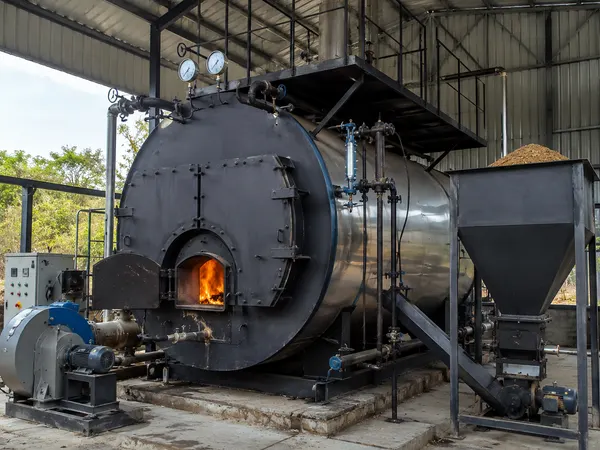
Husk Fired Boiler
High efficiency husk fired steam boilers for agro-processing industries — rice husk, paddy husk & other agricultural husks, 0.5 TPH to 25 TPH, IBR/NIBR, reciprocating/step grate combustion options.
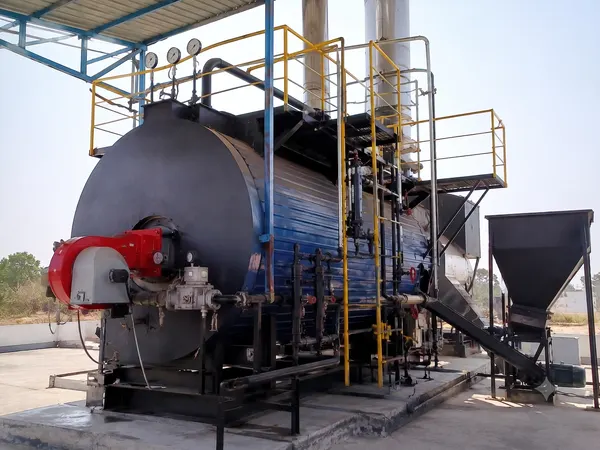
Biomass Fired Boiler
High efficiency biomass fired steam boilers for renewable, sustainable steam generation — bagasse, wood chips, shells, stalks & other residues, 0.5 TPH to 25 TPH, IBR/NIBR, travelling/reciprocating grate combustion.
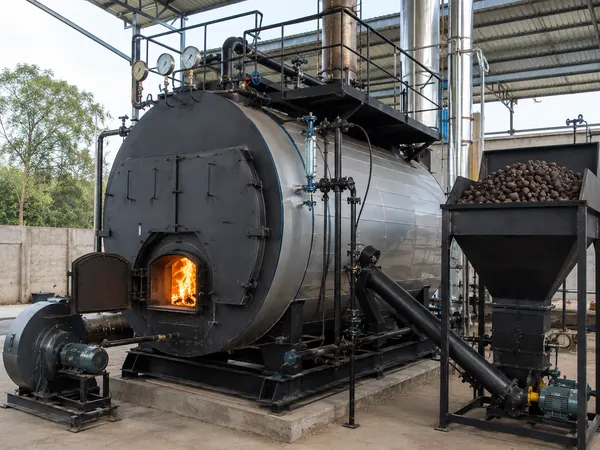
Briquettes Fired Boiler
High efficiency briquette fired steam boilers for cost-effective, sustainable steam generation — densified biomass briquettes, 0.5 TPH to 25 TPH, IBR/NIBR, fixed/travelling grate combustion options.
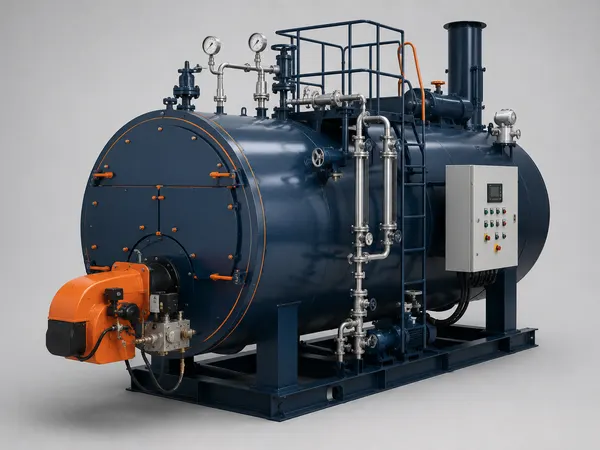
Oil Fired Boiler
Oil fired steam boilers for process industries — furnace oil, LDO and HSD fired, 0.5 TPH to 25 TPH, IBR/NIBR, fully automatic burner and fast start-up.
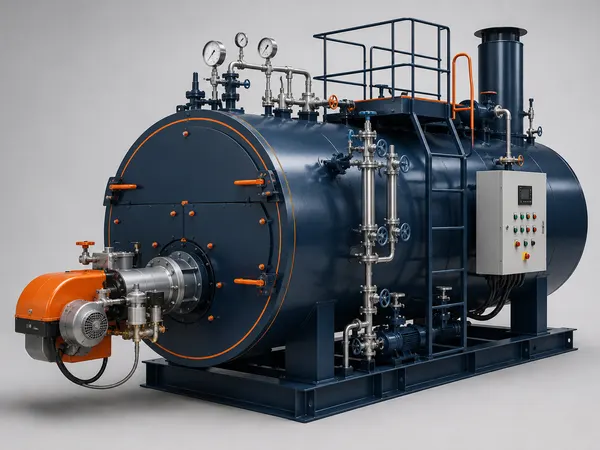
Gas Fired Boiler
Gas fired steam boilers for clean, responsive process steam — natural gas, PNG and LPG fired, 0.5 TPH to 25 TPH, IBR/NIBR, no ash handling or fuel yard.
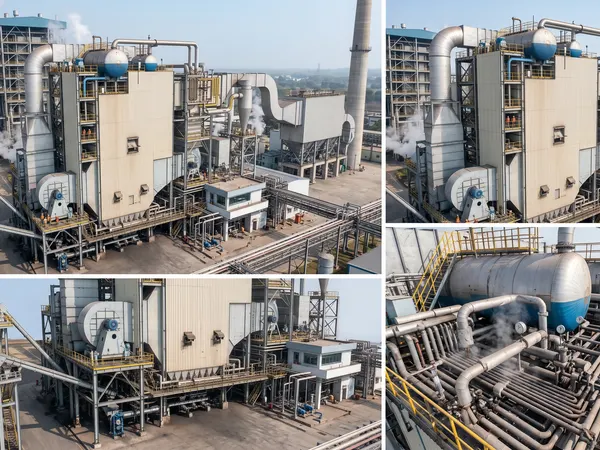
AFBC Steam Boiler
High efficiency AFBC (Atmospheric Fluidized Bed Combustion) steam boilers — over 85% combustion efficiency independent of ash content, burning coal, lignite, petcoke, washery rejects & dolochar, up to 175 TPH and 130 kg/cm², IBR certified.
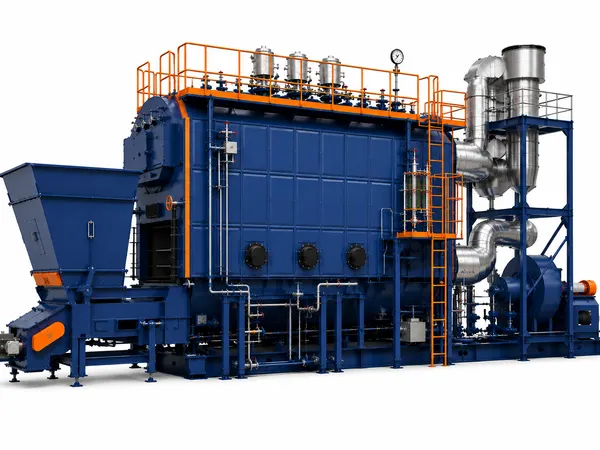
RDF Fired Boiler
RDF (refuse derived fuel) fired boilers turning municipal and industrial waste into steam and power — water-tube, up to 67 kg/cm², corrosion-resistant design, IBR certified; reduces landfill while recovering energy.
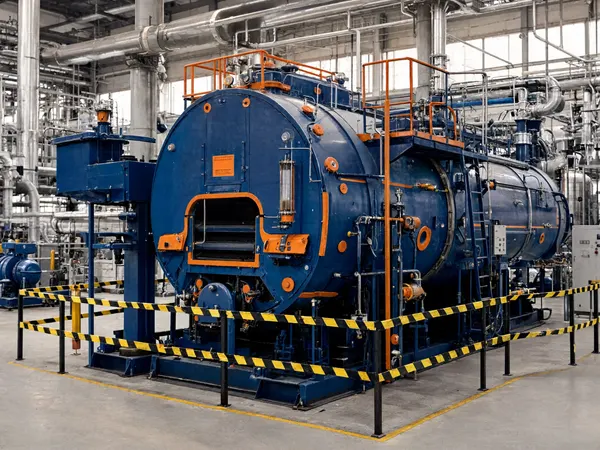
Reciprocating Grate Boiler
Biomass fired reciprocating grate steam boilers for difficult, high-moisture fuels — a hydraulically driven grate for complete combustion, 100 kg/hr up to 150 TPH, up to 105 kg/cm², IBR certified.
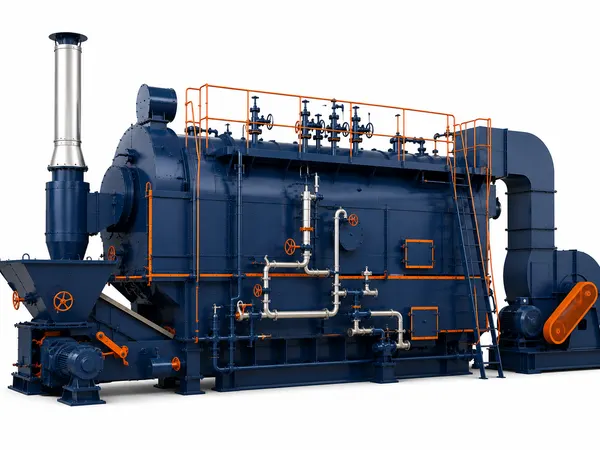
Travelling Grate Boiler
Biomass fired travelling (chain) grate steam boilers — the most sustainable biomass firing technology with 3–4% higher thermal efficiency, up to 275 TPH and 130 kg/cm², ideal for captive power & cogeneration, IBR certified.
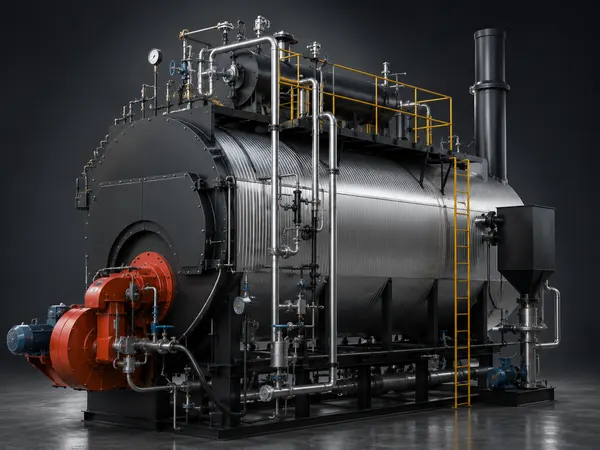
Slop Fired Boiler
Slop / spent-wash fired boilers giving distilleries a Zero Effluent Liquid Discharge (ZELD) solution — concentrated slop co-fired with bagasse/husk/coal, 20 to 100 TPH, up to 87 kg/cm² and 515°C, German slop-gun technology, IBR approved.
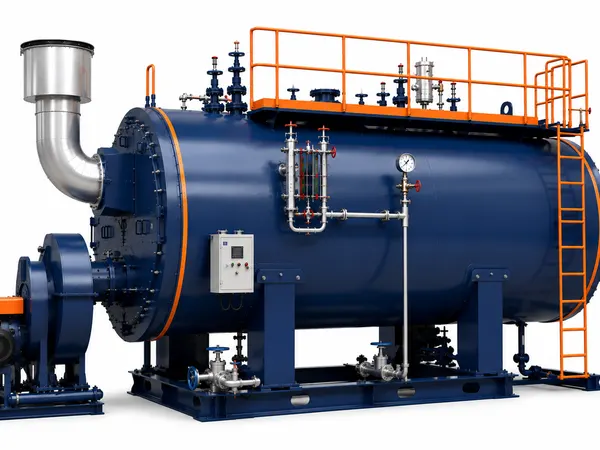
Water Cum Smoke Tube Boiler
Hybrid water-cum-smoke tube steam boilers with water-tube steaming and large water-holding stability — ~98% steam dryness under fluctuating loads, up to 25 TPH and 28 kg/cm², three-pass, IBR certified.
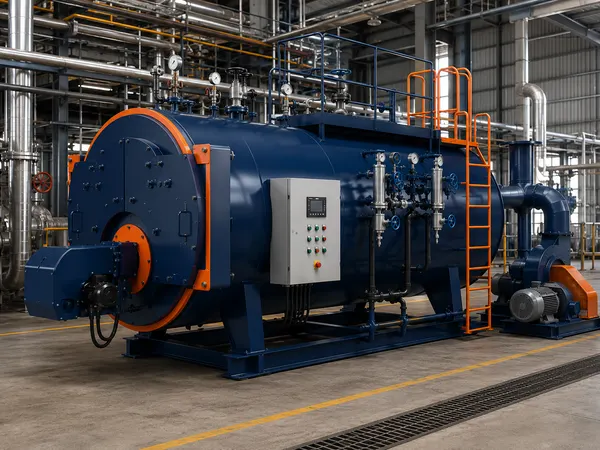
Electric Steam Boiler
Electrically heated steam boilers for plants without a combustion permit and for standby duty — suited to indoor and clean-process locations: no flue, no fuel handling, no combustion emissions at the point of use.
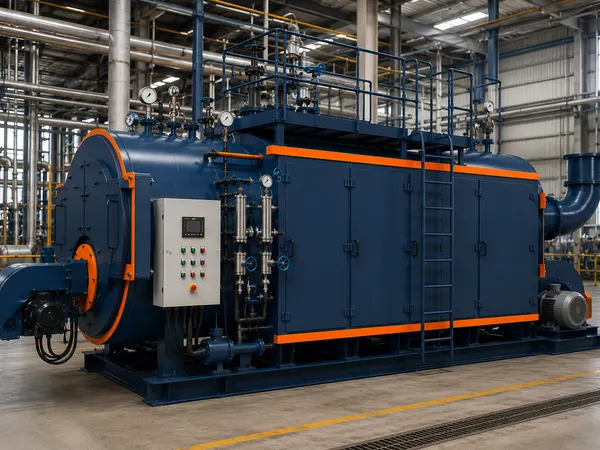
Packaged Steam Boiler
Factory-assembled, skid-mounted steam boiler packages, supplied pre-piped and pre-wired — mountings and controls fitted, shortening site work to positioning, connection and commissioning.
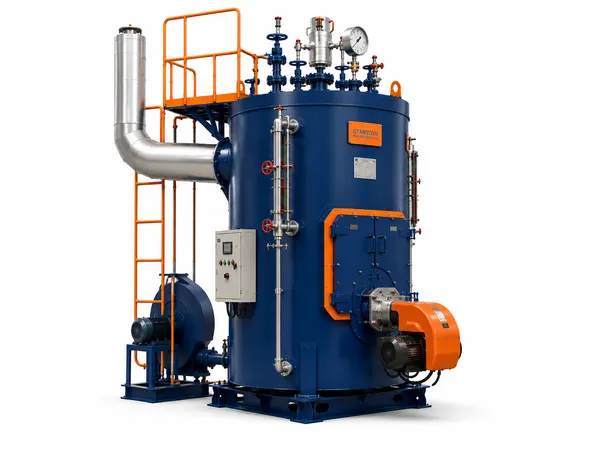
Mini Boiler
Compact, skid-mounted mini / small industrial steam boilers for small steam requirements — factory-assembled & tested, 300 to 1500 kg/hr (0.3–1.5 TPH) at 10.5 kg/cm², shell & tube, IBR certified, fast low-cost installation.
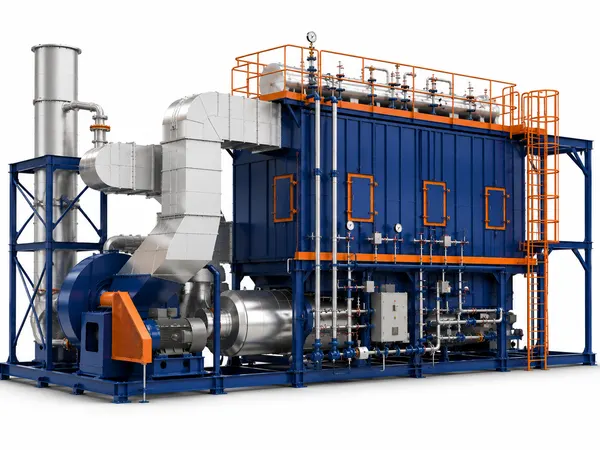
Waste Heat Recovery Boiler
Waste heat recovery boilers (WHRB / HRSG) turning hot DG exhaust, furnace and kiln gases into steam — no primary fuel, modular retrofit-friendly design, integral economizer, cuts fuel cost & emissions, IBR certified.
Seventeen boiler types on one page is not a menu to browse — it is the consequence of one question having several right answers depending on your plant. Buyers approach industrial boiler manufacturers asking which boiler they need; the specification actually falls out of four things, in this order: the fuel you can reliably buy, the steam you need and at what pressure, how the fuel has to be burned to suit its ash and moisture, and whether the result falls inside statutory scope.
Fuel comes first because it shapes everything downstream. A solid-fuel boiler burning coal, wood, husk, briquette, biomass, refuse-derived fuel or distillery slop needs a furnace sized for that fuel's calorific value and moisture, a grate or bed suited to its ash, somewhere for that ash to go, and emission control on the flue gas. An oil or gas fired boiler needs none of that and is correspondingly compact — which is why the cheaper fuel does not automatically produce the cheaper installation. Electric steam boilers remove combustion altogether, and with it the chimney, the fuel yard and the ash handling, at the cost of running on the most expensive energy in the plant.
How the fuel is burned is the next decision, and it is where the type names come from. Small and intermittent duties are served by simpler fixed-grate designs. Continuous, higher-output plant moves to a travelling grate or a reciprocating grate, which keep fuel advancing through the furnace and ash discharging without shutting down. Fluidized bed combustion answers a different problem: by suspending fuel in a hot bed of inert material at a controlled 850–900°C, an AFBC boiler burns low-grade, high-ash and variable fuels that a grate handles badly, and in-bed limestone dosing captures a share of the SO₂ inside the furnace rather than downstream.
Steam parameters then decide the pressure-part arrangement. Smoke tube designs pass hot gas through tubes surrounded by water and suit modest pressures; water tube designs invert that and carry the higher pressures; water-cum-smoke-tube configurations combine both. Packaged boilers arrive shop-assembled and are quicker to commission, while larger units are field-erected. Mini boilers exist for genuinely small duties where a full installation would be disproportionate. Pressure and capacity are also what pull a boiler across the IBR threshold into statutory territory, which changes the drawings, the material certification and the inspection regime — not the engineering alone.
One case is worth checking before any of the above: if your process already vents hot gas — from a DG set, furnace, kiln or incinerator — a waste heat recovery boiler raises steam from energy you have already paid for, burning no fuel of its own. It will not always cover the whole demand, but sizing a fired boiler without first asking that question is how plants end up paying twice for the same heat.
Tell us the fuel you can source and its analysis, the steam flow and pressure your process needs, and whether the load is steady or cyclic, and we will tell you which of these types the duty actually calls for — including when the honest answer is a smaller boiler than you asked about.
Above 25 TPH, or specified to ASME?
The boilers on this page are built in our own works, from 0.5 TPH to 25 TPH. For duties above that range, and for specifications calling for approvals the principal holds, GyanTosh is the Authorized Dealer for Cheema Boilers Limited in Madhya Pradesh, Rajasthan and Maharashtra — supplied, erected, commissioned and maintained by the same team.
Frequently Asked Questions
What does a "4 ton" or "5 ton" steam boiler actually mean?
What capacity boiler do I need?
When is an electric steam boiler the right choice?
Which boiler suits a food or dairy plant?
Do you supply boilers outside Madhya Pradesh?
Does my boiler have to be IBR certified?
Interested in Boilers?
Share your requirement — capacity, fuel type, and application — and our team will get back with a detailed quote.