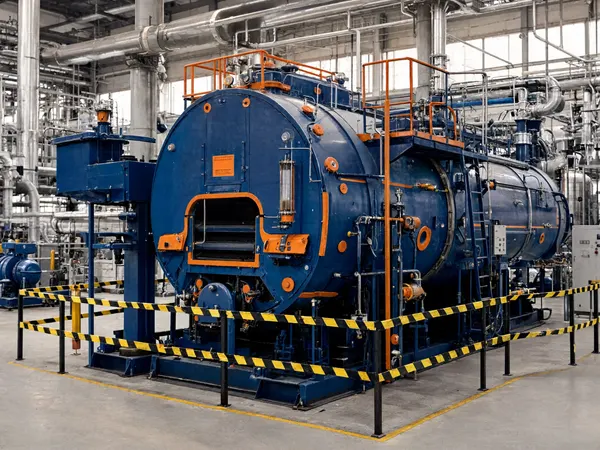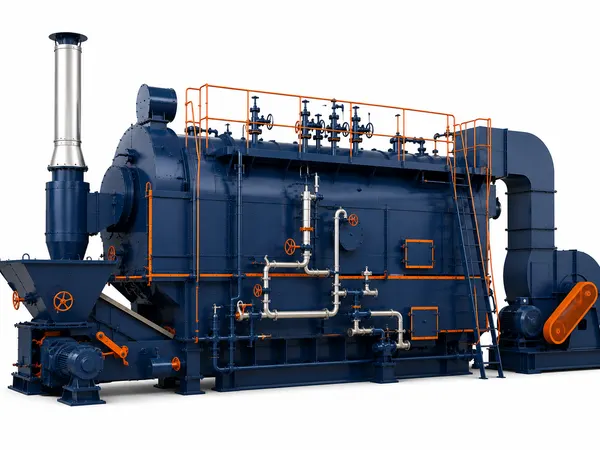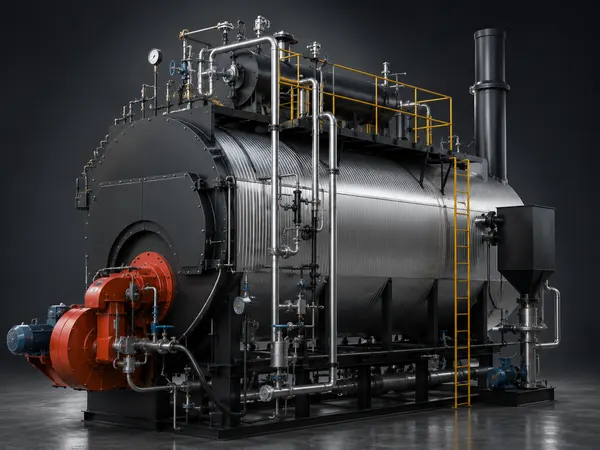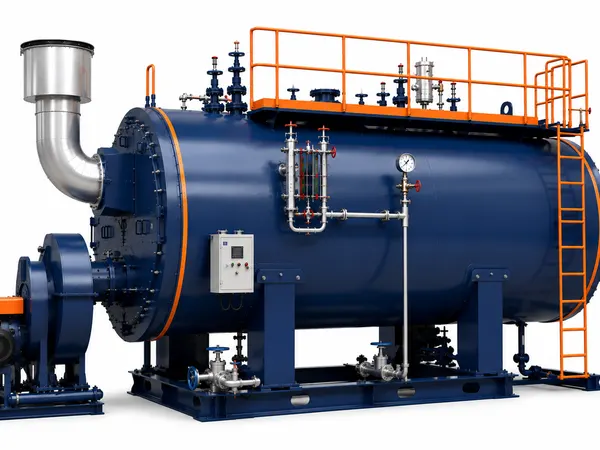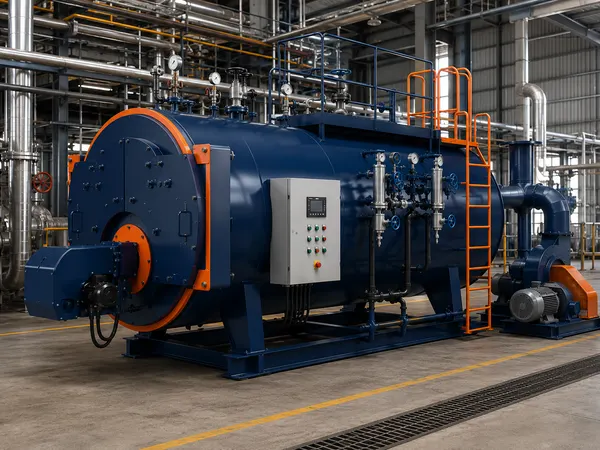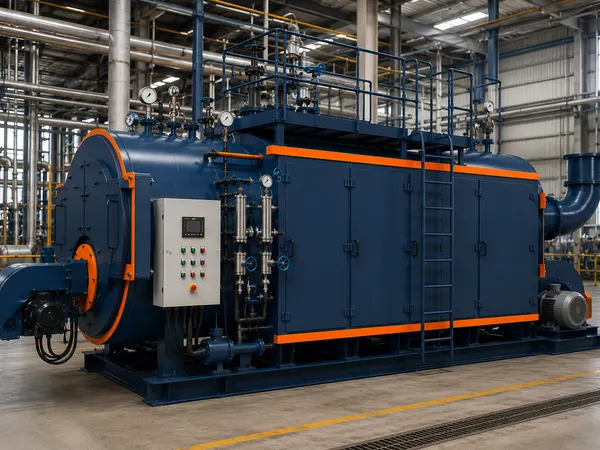
Images are representative illustrations. Products are custom-engineered to your requirement and actual appearance may vary.
RDF Fired Boiler — Refuse Derived Fuel
We engineer and supply RDF Fired Boiler as part of complete industrial heating and utility solutions. Share your capacity, fuel type, application, and site details — our team will recommend a suitable configuration and quote.
Buy RDF Fired Boiler
Built to order and quoted against your duty, so there is no list price. Tell us the capacity, fuel and application by phone or email — we reply within 24 hours.
About RDF Fired Boiler
GyanTosh's RDF (Refuse Derived Fuel) Fired Boilers turn processed municipal and industrial solid waste into useful steam and power — a genuine waste-to-energy solution that reduces landfill burden while recovering the calorific value locked in waste. RDF is produced by shredding, screening, and drying mixed waste to remove inerts and moisture, yielding a consistent, higher-calorific fuel suitable for controlled combustion.
These boilers are engineered to handle the specific challenges of waste-derived fuels — variable composition, moisture, and the corrosive/fouling nature of flue gases. Robust water-tube furnace design, generous furnace volume for complete burnout, corrosion-resistant heat transfer surfaces, and carefully controlled combustion temperatures ensure reliable operation and long service life.
Every RDF boiler is manufactured in compliance with IBR 1950 and IS 2825 using certified boiler-quality pressure parts. Multi-pass water-tube construction with automatic feeding and ash handling delivers stable steam output across the range of RDF feed rates.
With working pressures up to 67 kg/cm² and capacity designed around your available RDF feed, GyanTosh RDF boilers suit municipal waste-to-energy projects, cement plants, and industries seeking to convert waste streams into thermal energy while meeting environmental norms. Backed by over two decades of boiler engineering experience.
RDF Fired Boiler Key Features
- Purpose-built for combustion of Refuse Derived Fuel and processed MSW
- Water-tube construction with large furnace volume for complete burnout
- Automatic fuel feeding and ash handling for continuous operation
- Corrosion- and fouling-resistant heat transfer surfaces
- Controlled combustion temperature to manage chlorine-related corrosion
- Working pressure up to 67 kg/cm² for steam and power duties
- 3-pass horizontal design for efficient heat recovery
- Designed for continuous 24×7 waste-to-energy operation
- Compliant with IBR 1950 and IS 2825 pressure vessel codes
- Integrates with bag filters / ESP and acid gas control for emission compliance
- Reduces landfill volume and recovers energy from waste
- Custom-engineered around available RDF quantity and calorific value
RDF Fired Boiler Specification
Fuels Used
Combustion Technology
A generous furnace and controlled combustion zone give RDF the residence time needed for complete burnout of heterogeneous waste-derived fuel.
Combustion temperatures are managed to balance complete burnout against chlorine-induced high-temperature corrosion of heat transfer surfaces.
Primary and secondary air staging ensures complete combustion of volatiles and minimizes unburnt carbon and CO in the flue gas.
Continuous automatic RDF feeding and bottom/fly ash handling maintain stable steam generation with minimal manual intervention.
RDF Fired Boiler Applications
Industries Served
Advantages of an RDF Fired Boiler
Converts processed municipal and industrial waste into valuable steam and power, recovering energy that would otherwise be lost to landfill.
Diverting combustible waste to energy recovery dramatically reduces the volume sent to landfill, supporting sustainable waste management goals.
Material selection and temperature control specifically address the corrosive, fouling flue gases characteristic of waste combustion, protecting tube life.
RDF is a low-cost or negative-cost fuel, offering a compelling economic case where a reliable processed-waste supply exists.
Designed to integrate with acid gas control, bag filters or ESP, and continuous emission monitoring to meet stringent waste-to-energy norms.
Each boiler is sized around your specific RDF quantity, calorific value, and steam requirement for optimum performance.
Optional Accessories
Frequently Asked Questions(8)
What is RDF?
How is an RDF boiler different from a conventional boiler?
What capacity can I get?
Is IBR certification provided?
How are emissions controlled?
Can RDF be co-fired with other fuels?
What are the main benefits of an RDF boiler?
Can GyanTosh execute a complete waste-to-energy boiler island?
- Capacity / size requirements
- Process or application details
- Material preference (M.S / S.S where applicable)
- Installation location & delivery timeline
Share your capacity, fuel type, and application — we respond within 24 hours.
After it is installed
Equipment is the start of the relationship, not the end of it. We work from Indore, Madhya Pradesh, for plants across India, and handle installation and commissioning, boiler AMC, retrofits, plant audits, spare parts and operator training — on equipment from any manufacturer, not only our own.