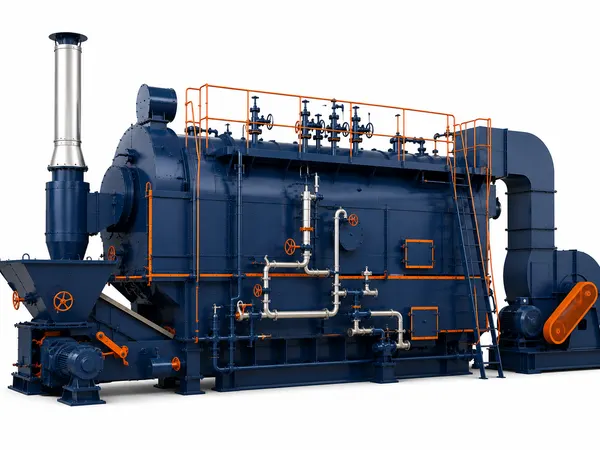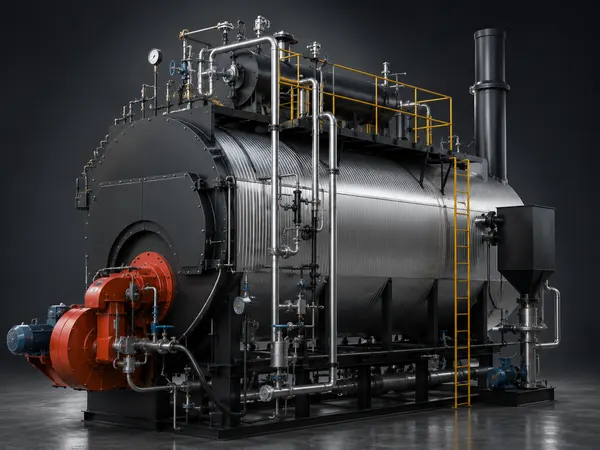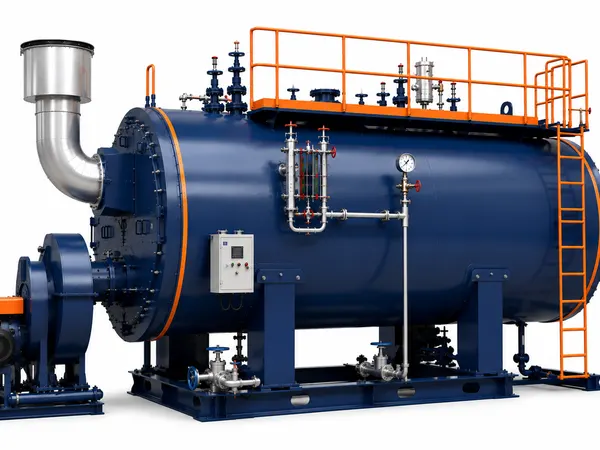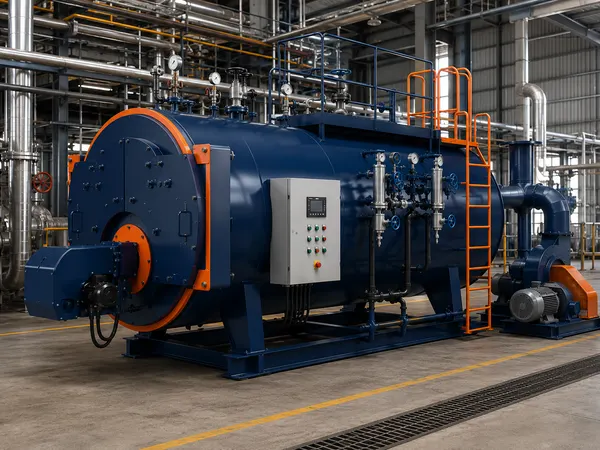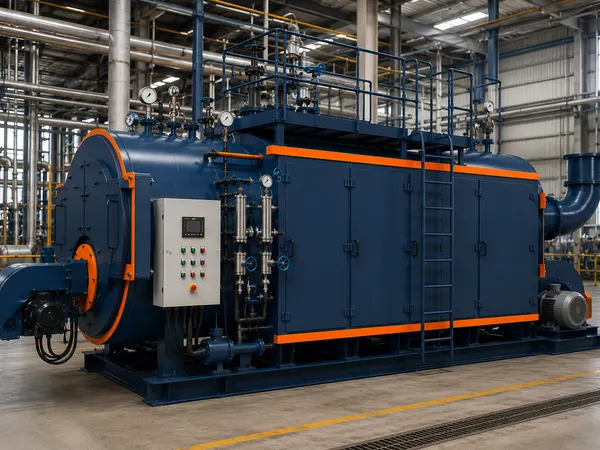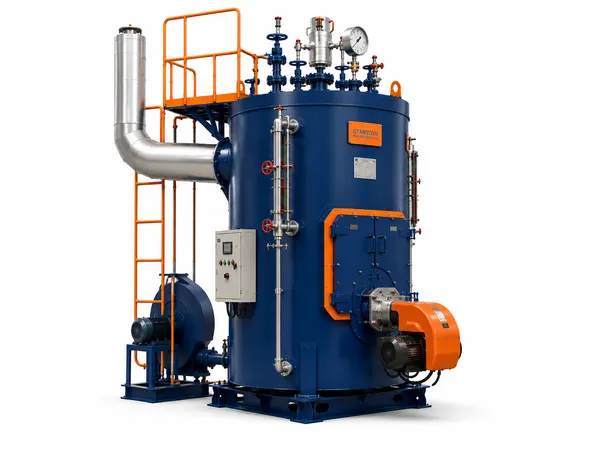
Images are representative illustrations. Products are custom-engineered to your requirement and actual appearance may vary.
Reciprocating Grate Boiler
We engineer and supply Reciprocating Grate Boiler as part of complete industrial heating and utility solutions. Share your capacity, fuel type, application, and site details — our team will recommend a suitable configuration and quote.
Buy Reciprocating Grate Boiler
Built to order and quoted against your duty, so there is no list price. Tell us the capacity, fuel and application by phone or email — we reply within 24 hours.
About Reciprocating Grate Boiler
GyanTosh's Reciprocating Grate Boilers are biomass-fired steam boilers built around a hydraulically driven reciprocating grate that gently pushes fuel through distinct drying, combustion, and burnout zones. This continuous, controlled fuel movement makes them exceptionally effective at completely burning difficult, high-moisture, and inconsistent biomass fuels that would challenge fixed or simpler grate systems.
As the grate bars reciprocate, they agitate and advance the fuel bed — breaking up clinkers, exposing fresh fuel surface to combustion air, and ensuring even burnout before ash is discharged at the far end. Zoned under-grate air supply lets each combustion stage receive precisely the air it needs, maximizing efficiency and minimizing unburnt carbon.
Every reciprocating grate boiler is designed and manufactured in compliance with IBR 1950 and IS 2825, using certified boiler-quality pressure parts, heat-resistant grate castings, and robust refractory. Water-tube and hybrid configurations are offered to match steam parameters and duty.
Available from small industrial ratings up to large 150 TPH captive-power duties and pressures up to 105 kg/cm², GyanTosh reciprocating grate boilers suit sugar mills, paper mills, food plants, and power producers running on varied biomass. Backed by over two decades of boiler engineering experience.
Reciprocating Grate Boiler Key Features
- Hydraulically driven reciprocating grate for continuous, controlled fuel movement
- Distinct drying, combustion, and burnout zones for complete combustion
- Excellent handling of high-moisture and mixed biomass fuels
- Self-agitating action breaks clinker and exposes fresh fuel to air
- Zoned under-grate air supply matched to each combustion stage
- Capacities up to 150 TPH for process and captive power duties
- Heat-resistant grate castings for long service life
- Low unburnt carbon and high combustion efficiency
- Customizable grate width (typically 2–4 m) to suit capacity
- Designed for continuous 24×7 industrial operation
- Compliant with IBR 1950 and IS 2825 pressure vessel codes
- Compatible with economizer, air preheater, and modern APC equipment
Reciprocating Grate Boiler Specification
Fuels Used
Combustion Technology
Hydraulically driven grate bars move fuel forward through drying, combustion, and burnout zones, ensuring complete combustion of difficult and high-moisture fuels.
The reciprocating action continuously agitates the bed, breaking clinker and exposing fresh fuel surface to combustion air for higher burnout.
Independent air zones beneath the grate deliver the right amount of air to each combustion stage, maximizing efficiency and minimizing unburnt carbon.
Fully burnt ash is discharged in a controlled manner at the grate end, keeping the combustion zone clean and stable.
Freeboard secondary air completes combustion of volatiles above the bed, reducing CO and smoke.
Reciprocating Grate Boiler Applications
Advantages of a Reciprocating Grate Boiler
The reciprocating action and zoned combustion make these boilers ideal for high-moisture, mixed, and inconsistent biomass fuels that fixed grates cannot burn cleanly.
Continuous fuel agitation and staged air deliver complete burnout with low unburnt carbon, maximizing steam output per tonne of fuel.
The self-agitating grate continually breaks up clinker, avoiding the bed blockages and forced shutdowns common with static grates.
From small industrial ratings up to 150 TPH, the technology scales to both process steam and large captive power duties.
A single boiler can accept a range of locally available biomass, letting plants buy the most economical fuel at any time.
Heat-resistant grate castings and robust refractory give long service life and high availability under continuous operation.
Optional Accessories
Frequently Asked Questions(7)
How does a reciprocating grate work?
What fuels suit a reciprocating grate boiler?
How is it different from a travelling grate boiler?
What capacity range is available?
Is IBR certification provided?
Does the reciprocating action reduce clinker problems?
Can GyanTosh supply the complete boiler package?
- Capacity / size requirements
- Process or application details
- Material preference (M.S / S.S where applicable)
- Installation location & delivery timeline
Share your capacity, fuel type, and application — we respond within 24 hours.
After it is installed
Equipment is the start of the relationship, not the end of it. We work from Indore, Madhya Pradesh, for plants across India, and handle installation and commissioning, boiler AMC, retrofits, plant audits, spare parts and operator training — on equipment from any manufacturer, not only our own.