

Conveying, storage, and feeding systems for solid biomass, coal, rice husk, and other industrial fuels.
Product Range
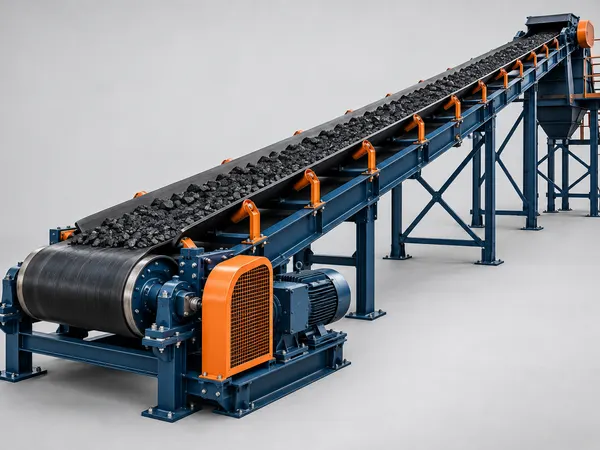
Belt Conveyor
Troughed, chevron and reversible belt conveyors for coal, rice husk, wood chips and biomass — carrying boiler fuel from the yard to the bunker.
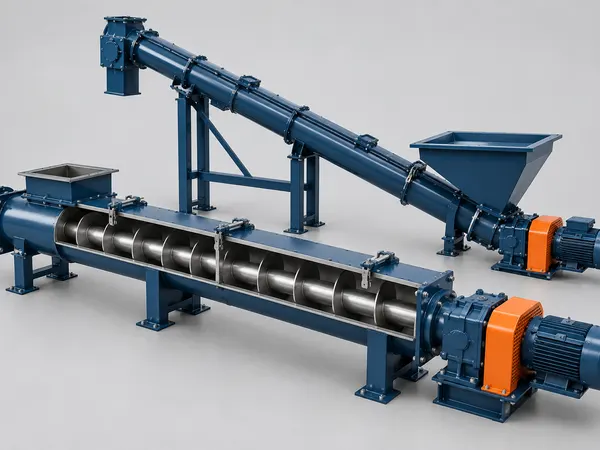
Screw Conveyor & Screw Feeder
Enclosed screw conveyors and variable-speed screw feeders for metered boiler fuel feeding — including shaftless and live-bottom designs.
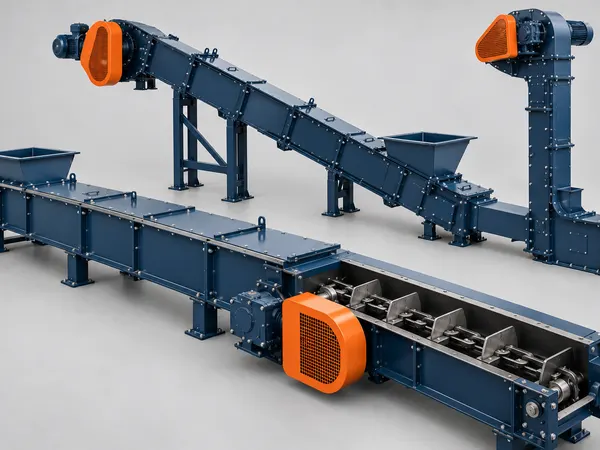
Chain & Drag Chain Conveyor
Enclosed drag chain, scraper and submerged chain conveyors for wood chips, bark, coal and hot ash — distributing fuel and removing ash.
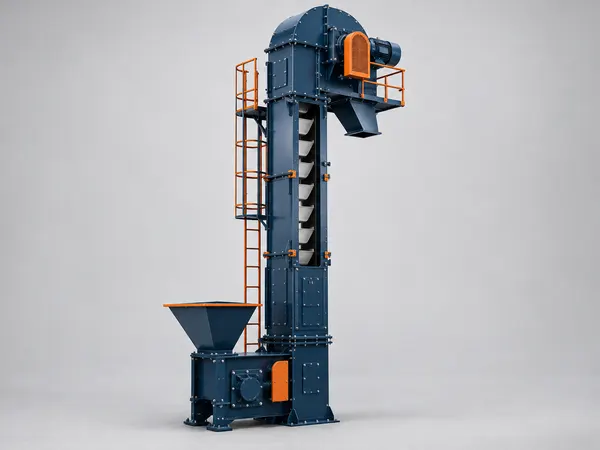
Bucket Elevator
Belt and chain bucket elevators lifting coal, husk and biomass into boiler bunkers and silos — centrifugal or continuous discharge.
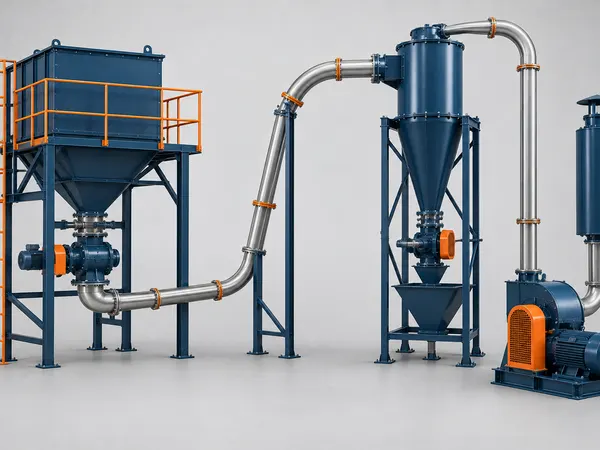
Rice Husk & Biomass Pneumatic Conveying System
Dilute- and dense-phase pneumatic conveying for rice husk, sawdust and fly ash — with rotary airlocks, cyclones and wear-resistant bends.
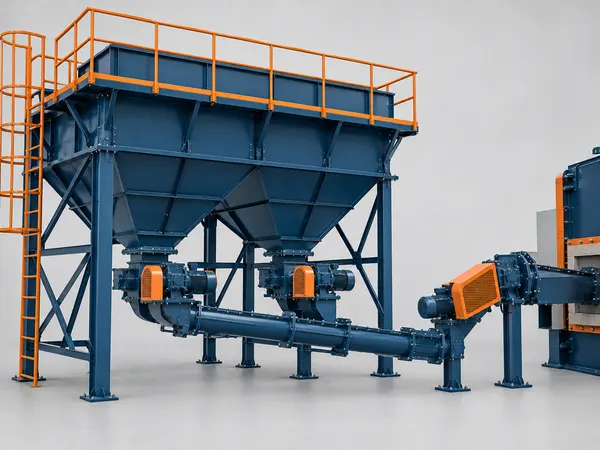
Boiler Fuel Feeding System
Bunkers and feeders that deliver solid fuel into the boiler in step with steam demand — screw, rotary or ram feeders with anti-bridging draw-down.
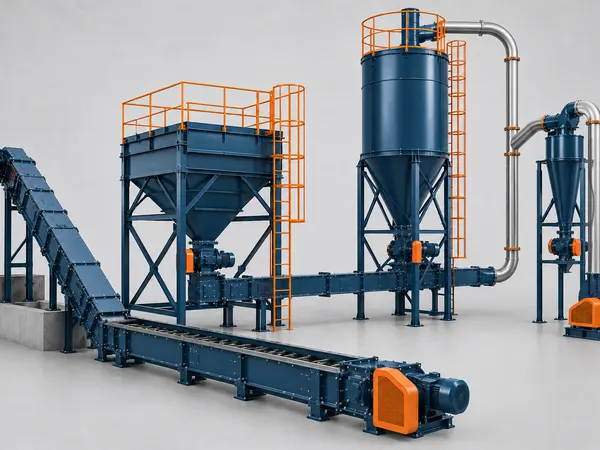
Ash Handling System
Dry and wet ash handling for solid-fuel boilers — bottom ash, clinker and fly ash conveyed continuously to a silo for truck unloading.
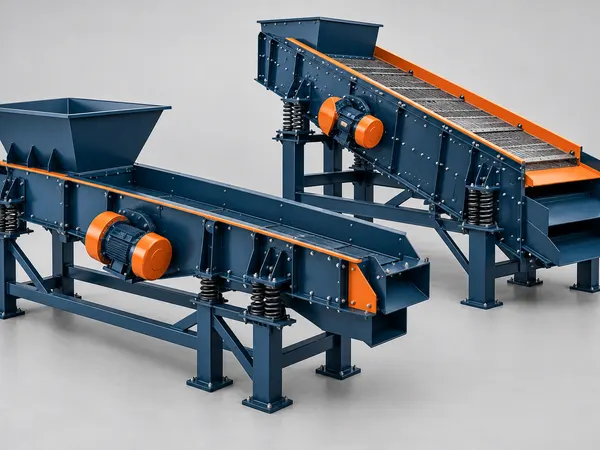
Vibrating Screen & Vibrating Feeder
Vibrating screens, grizzly screens and vibrating feeders that size and meter boiler fuel — removing fines, oversize and tramp material.
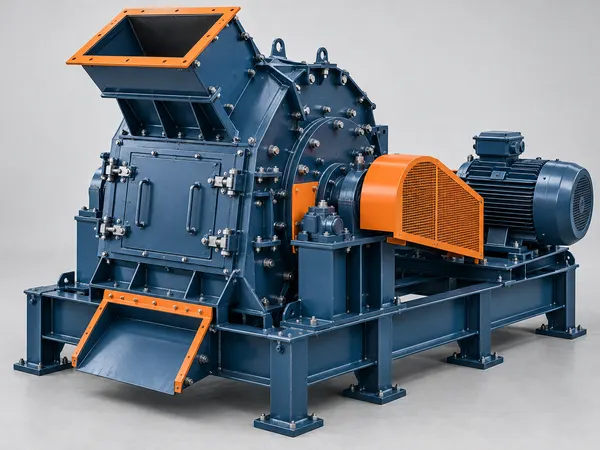
Coal Crusher
Hammer crushers, ring granulators and double roll crushers that size coal for boilers — for grate-fired and fluidized bed firing, with fewer fines.
A solid-fuel boiler is only as reliable as what feeds it. Fuel handling covers everything between the point where fuel arrives at site and the point where it enters the furnace at a controlled, consistent rate: reception, storage, reclaim, conveying, sizing, metering and feeding.
It is also the part of a solid-fuel plant most often under-specified, and the part that causes most unplanned downtime. Biomass in particular is difficult material to move — variable moisture, variable particle size, prone to bridging in hoppers, arching over outlets and hanging up in chutes. Equipment sized for a nominal fuel and never tested against the wet, fibrous or oversized material a plant actually receives is a recurring cause of derating and forced outages.
Systems are built from screw and belt conveyors, bucket elevators, drag chains, day silos and bunkers, vibrating and rotary feeders, and screening or sizing equipment, selected around the specific fuel and its worst-case condition rather than its specification sheet.
We design and supply handling systems as part of the boiler package or as a retrofit to existing plant. Tell us the fuel, its realistic moisture and size range, the consumption rate and the plant layout, and we will engineer the route from tipping point to furnace.
The equipment on this page is the route in order: belt, screw and chain conveyors to move fuel, bucket elevators and pneumatic conveying to lift and route it, vibrating screens and coal crushers to bring it to the size the boiler burns, a fuel feeding system to meter it into the furnace, and ash handling to take away what is left.
Fuel handling systems are engineered in Indore, Madhya Pradesh, usually alongside the boiler they feed, and supplied and erected for plants across India.
Frequently Asked Questions
What does a fuel handling system include?
How do you size a fuel handling system?
Which type of conveyor suits our fuel?
Why does biomass stop flowing out of a bunker?
Can fuel handling be retrofitted to an existing boiler?
Do you supply the complete system, including erection?
Interested in Fuel Handling Systems?
Share your requirement — capacity, fuel type, and application — and our team will get back with a detailed quote.