Images are representative illustrations. Products are custom-engineered to your requirement and actual appearance may vary.
Ash Handling System
We engineer and supply Ash Handling System as part of complete industrial heating and utility solutions. Share your capacity, fuel type, application, and site details — our team will recommend a suitable configuration and quote.
Buy Ash Handling System
Built to order and quoted against your duty, so there is no list price. Tell us the capacity, fuel and application by phone or email — we reply within 24 hours.
About Ash Handling System
Every solid-fuel boiler produces ash, and an ash handling system removes it continuously so the boiler never has to stop to be raked out. There are two streams: bottom ash and clinker that fall from the grate or bed, and fly ash carried out with the flue gas and collected in the economizer, air heater and dust collector hoppers.
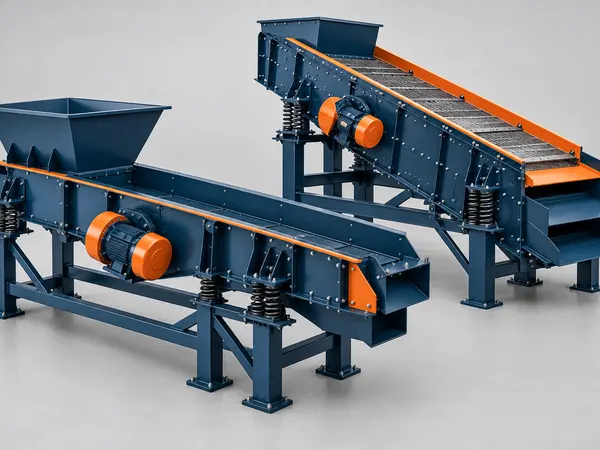
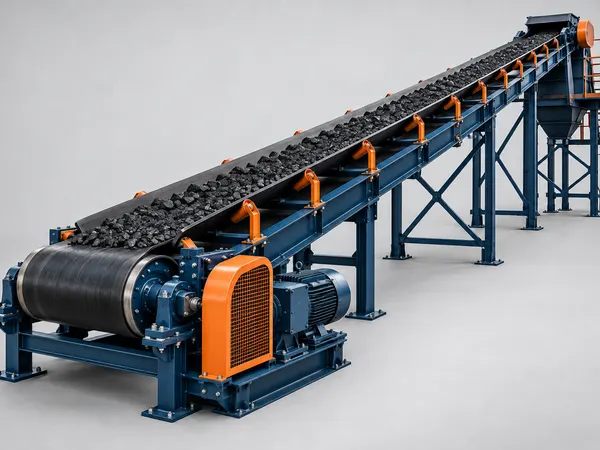
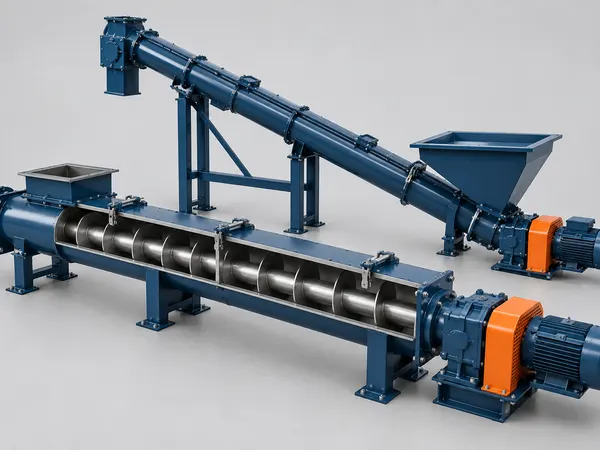
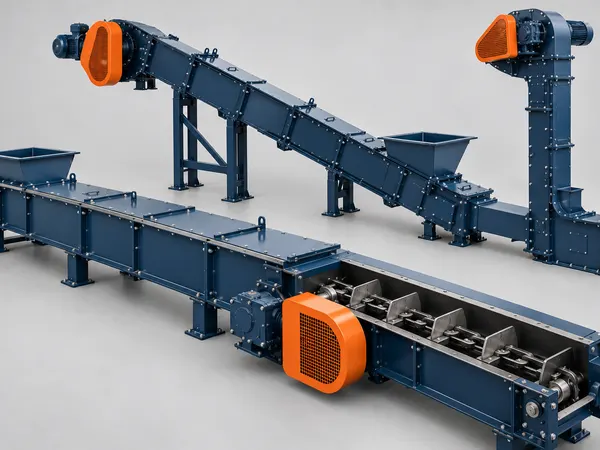
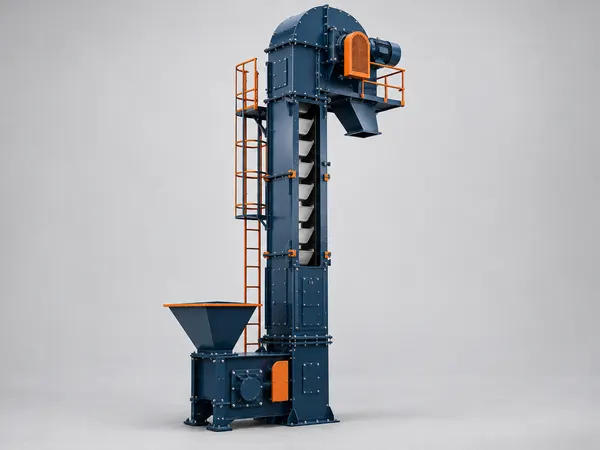
Bottom ash is handled dry or wet. Dry systems use screw or drag chain conveyors to carry cooled ash away; wet systems use a submerged chain conveyor that quenches hot ash in a water trough and drags it out dewatered. Fly ash is usually conveyed dry — by screw, drag chain or pneumatic conveying — to an ash silo, from which it is unloaded into trucks.
Ash from biomass and rice husk is fine, light and highly abrasive, and ash from high-ash coal arrives in large quantities. Both shape the design: wear-resistant conveyor parts, rotary airlocks that hold the hopper seal while discharging, and dust control at every transfer, so that ash leaves the boiler house without spreading through it.
We design and supply ash handling systems with new solid-fuel boilers and for existing plants, covering bottom ash, fly ash, silo storage and unloading.
How much ash a system has to move follows from the fuel rather than from the boiler. High-ash Indian coal leaves a great deal behind; washed or imported coal much less; and biomass varies enormously, from wood chips that leave almost nothing to rice husk, which is roughly a fifth ash by weight. That single figure — ash percentage against fuel consumption — sets the size of every conveyor, hopper and silo in the system, which is why we ask for a fuel analysis rather than a fuel name.
The split between bottom ash and fly ash depends on how the boiler fires. A grate boiler drops most of its ash through the grate as bottom ash and clinker; a fluidized bed boiler carries a much larger share out with the flue gas, to be collected in the economizer, air heater and dust collector hoppers. A system designed for one and installed on the other will have the wrong capacity in both halves.
Fly ash is hot, fine and abrasive, and it flows like a liquid when aerated and sets hard when damp — which is why every part of its route is designed around keeping it moving and keeping air where it belongs. Rotary airlocks hold the hopper seal while discharging, because a hopper that leaks air loses collection efficiency in the equipment above it; ash conditioners wet the ash at the point of discharge so it can be trucked without blowing off the load; and every transfer point is sealed rather than merely covered.
Typical duty is a husk or biomass fired boiler in a rice mill or process plant, and an AFBC or grate-fired coal boiler in a captive power house. We supply ash handling with new boilers and as a retrofit where ash is still being raked out and barrowed away — bottom ash, fly ash, silo and unloading engineered together, with erection, commissioning, wear spares and an AMC where the plant wants one.
Ash Handling System Key Features
- Continuous removal without stopping the boiler
- Dry or wet (submerged) bottom ash handling
- Fly ash collection from economizer, air heater and dust collector hoppers
- Screw, drag chain and pneumatic ash conveying
- Rotary airlocks to hold hopper seals
- Ash silo with unloading for trucks
- Wear-resistant parts for abrasive biomass and husk ash
- Dust control at every transfer point
- Capacity worked out from the fuel’s ash content, not a nominal figure
- Designed to the firing method’s bottom-ash / fly-ash split
- Ash conditioner to damp ash for trucking without dust
- Sealed hoppers and transfer points throughout the route
- Fly ash cooling where discharge temperature requires it
- Silo level indication with high-level alarm
- Standby routes or manual discharge so ash removal never stops the boiler
Ash Handling System Specification
Ash Types Handled
Ash Handling Technology
Quenches hot bottom ash in a water trough and drags it out dewatered, while sealing the furnace.
Screw and drag chain conveyors carry cooled bottom ash and fly ash away in enclosed casings.
Fly ash is carried by air through a pipeline from the collection hoppers to an ash silo.
Silo storage with controlled unloading into trucks, keeping ash off the ground and dust contained.
A twin-shaft conditioner wets the ash as it leaves the silo, so it can be loaded and carted without blowing off the truck.
Ash Handling System Applications
Industries Served
Advantages of an Ash Handling System
Continuous removal keeps the boiler running instead of shutting down to clear ash.
Enclosed conveying and dust control keep ash from spreading through the plant.
Wear-resistant parts suit the fine, abrasive ash from husk and biomass.
Bottom ash, fly ash, silo and unloading engineered as one system.
Ash percentage against fuel rate sets every conveyor and hopper, so a husk boiler does not get a system designed around washed coal.
Sealed transfers, airlocks and a conditioner at the silo mean ash reaches the truck instead of the boiler house floor.
Airlocks that hold the hopper seal keep the dust collector and economizer working as designed instead of leaking air.
Optional Accessories
Frequently Asked Questions(10)
What is an ash handling system in a boiler?
What is the difference between bottom ash and fly ash?
Dry or wet ash handling — which is better?
Why does rice husk ash wear conveyors so quickly?
How do you work out the size of an ash handling system?
Why does a leaking ash valve matter beyond the ash?
Can ash be handled without a silo?
Can an ash handling system be retrofitted to an existing boiler?
What does an ash system need in the way of maintenance?
Can one ash system serve more than one boiler?
- Capacity / size requirements
- Process or application details
- Material preference (M.S / S.S where applicable)
- Installation location & delivery timeline
Share your capacity, fuel type, and application — we respond within 24 hours.
After it is installed
Equipment is the start of the relationship, not the end of it. We work from Indore, Madhya Pradesh, for plants across India, and handle installation and commissioning, boiler AMC, retrofits, plant audits, spare parts and operator training — on equipment from any manufacturer, not only our own.
Related products
View more